Learn more 6: Application of Controlled Acaricides
Registered acaricides. A significant reduction in the risk of tick bites can be achieved by the several personal protection and homeowner-applied tick control options described previously. Where the risk of exposure to infected ticks is high, however, a licensed commercial applicator may be needed to deliver effective, EPA-registered acaricides with specialized equipment to reach ticks secluded within the leaf litter. Bifenthrin is one such synthetic pyrethroid that is in common usage and is extremely effective (Ref. 16). Although lethal to fish and aquatic invertebrates, it binds tightly to soil and is rapidly decomposed by sunlight, therefore its runoff is limited. It is also less expensive per square foot covered than currently available botanical acaricides.
At least one recently marketed, non-synthetic botanical mixture containing rosemary oil has been shown to be almost as effective as bifenthrin when applied by a high-pressure hose (Ref. 16). These minimal risk, food grade, products are not harmful to aquatic organisms, can be used around animals, and represent an effective, though more costly, substitute for synthetics where environmental harm is an important concern. While their label states that they are safe for use around piers, their effect on non-target aquatic species, especially other arthropods, has not been reported in peer-reviewed publications.
https://pharmaciefr.org/acheter-acomplia-generique/Applicator-applied host-targeted acaricides

Baited mice. The goal of this approach is to kill ticks feeding on mice and chipmunks, the predominant hosts for juvenile deer ticks and principal reservoirs of the pathogens of Lyme disease and anaplasmosis. The animals are baited into a tamper-proof box where they come in contact with wicks treated with fipronil, a potent acaricide. Since the only acaricide to escape the box is the tiny amount brushed onto the feeding mammal, the environmental impact of this treatment is nil. Applicators deploy the boxes from 30 to 50 feet apart in the spring and the fall, coinciding with the peak seasons for deer tick nymphs and larvae, respectively. Previous studies (Ref. 4, 1) have shown 60- 80% reduction in ticks after one year, 90-100% after two years. Simultaneously, the percentage of ticks that were infected dropped from 25% to 2%. A full description of the product will be found at www.tickboxtcs.com.
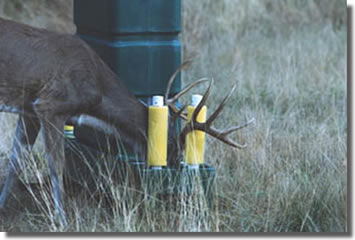
“Four-Poster”
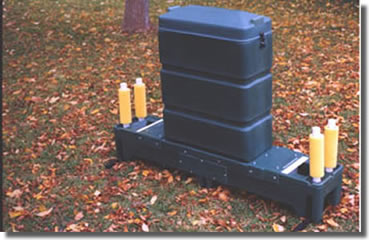 These devices are designed to apply an acaricide to white-tailed deer as they are compelled to rub against vertical treated rollers when feeding on corn supplied from a central bin. They are typically deployed at ~52 / 2 sq. mi., thus more applicable to communities than to individual properties. Several studies have demonstrated significant reductions in questing deer tick nymphs following the fall and spring deployment of 4-posters over a 4-5 year period. But their use comes with caveats. Their application requires trained licensed applicators to tend each device weekly to apply acaricide and sometimes twice-weekly to replenish the bins with washed, whole-kernel corn. In one study, fall consumption for ~22 4-posters ranged from 796 to 10,560 pounds of corn (ref 18). In years when alternative natural food is abundant, usage of the devices -- and deer treatment -- will fall off. 4-posters are expensive: each unit with acaricide costs ~$780, to which must be added corn and labor, which, considering the frequency of attendance and the large area treated, will be significant.